
Costly HVAC Problems You Can Avoid with Regular Maintenance
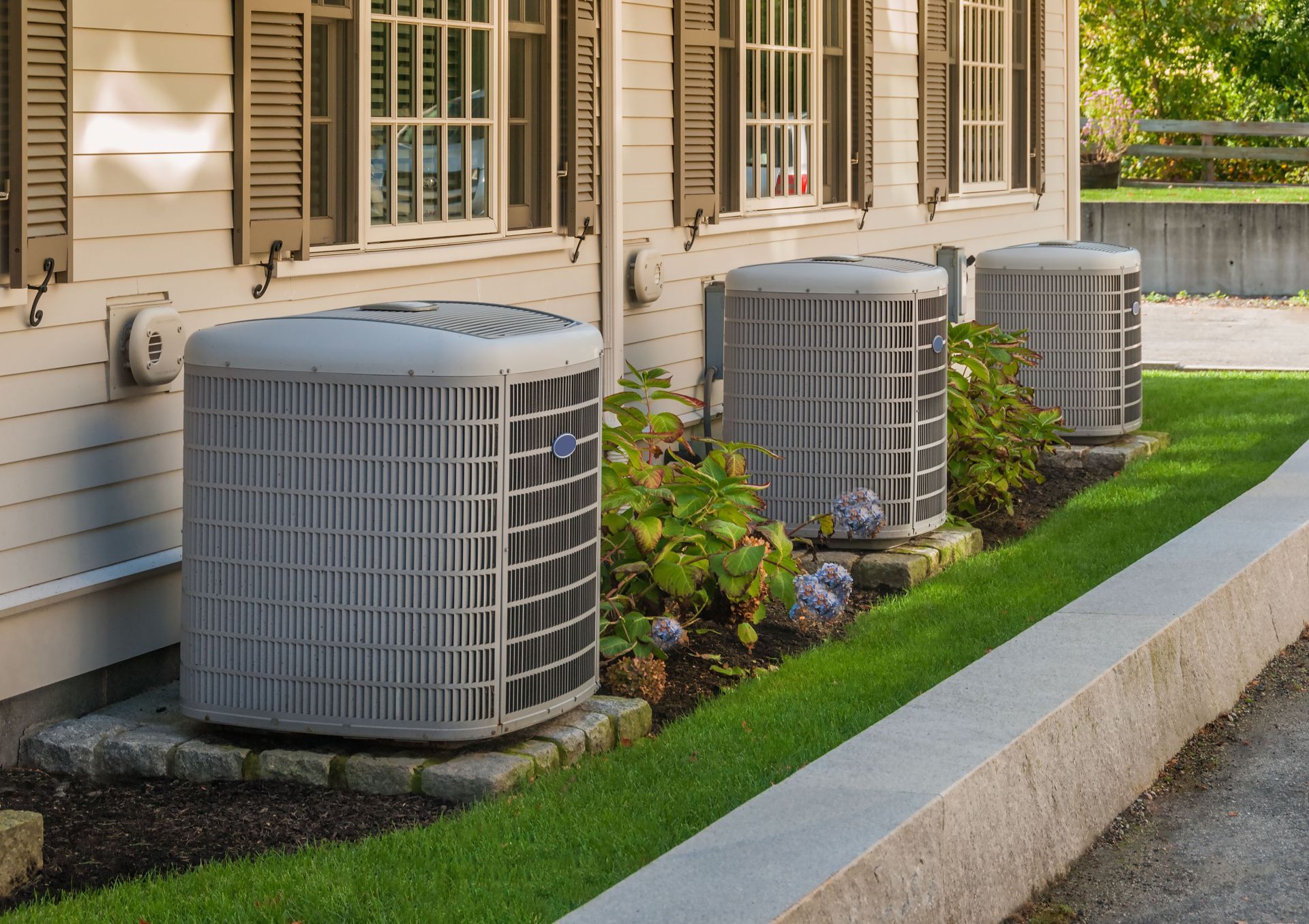
Keeping your home comfortable shouldn’t feel like a guessing game, yet many homeowners only think about their HVAC system when something goes wrong. The reality is that most major heating and cooling issues don’t happen overnight—they build slowly over time. Small inefficiencies, minor wear, and overlooked components can quietly turn into expensive repairs if left unchecked. That’s where consistent HVAC maintenance makes a measurable difference.
When you stay ahead of problems, you gain more than just peace of mind. You improve energy efficiency, extend system lifespan, and avoid the inconvenience of unexpected breakdowns. Think of it as a practical way to stay in control of both comfort and long-term costs. The sections below walk through common HVAC problems that can be prevented with a proactive approach and a bit of consistency.
Preventing Filter Clogging and Airflow Issues
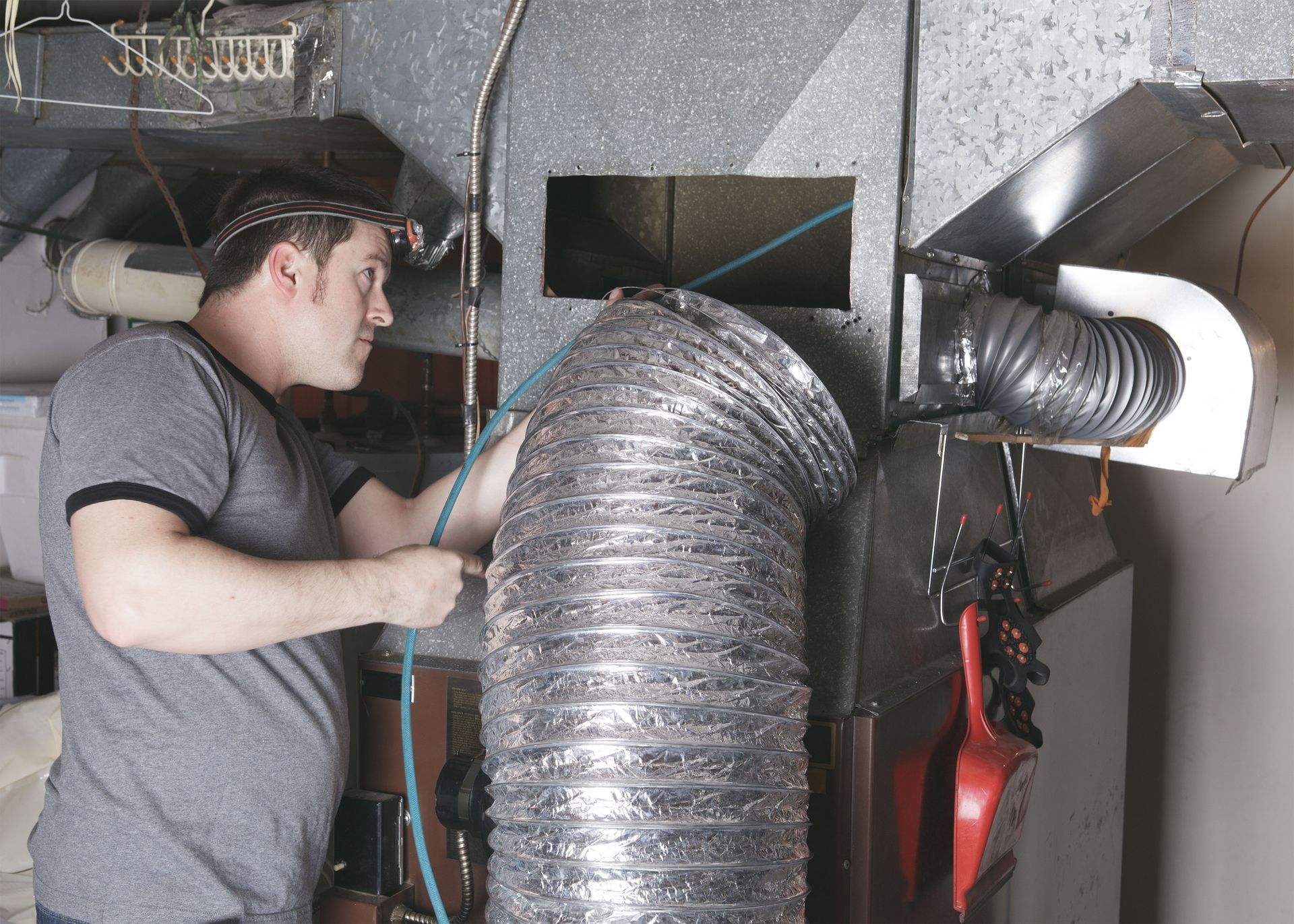
Air filters are one of the simplest components in your HVAC system, but they carry a surprising amount of responsibility. Their job is to capture dust, debris, and airborne particles before they circulate through your home. Over time, those particles build up, restricting airflow and forcing your system to work harder than necessary. It’s a gradual shift, so it’s easy to overlook until performance noticeably drops.
When airflow becomes restricted, your system starts compensating by running longer cycles. That added strain not only reduces efficiency but also accelerates wear on internal components. Regular HVAC maintenance keeps filters clean or replaced at the right intervals, ensuring steady airflow and reducing unnecessary stress on the system.
There’s also a comfort factor to consider. Poor airflow can create uneven temperatures throughout your home, leaving some rooms too warm while others stay cool. By staying on top of filter care, you maintain a more consistent indoor environment and avoid the frustration of constant thermostat adjustments.
Detecting Refrigerant Leaks and Cooling Loss
Refrigerant plays a central role in your system’s ability to cool your space. When levels drop due to leaks, performance suffers almost immediately. You might notice your system running longer, struggling to reach the desired temperature, or producing uneven cooling. These are often early signs that something isn’t quite right.
Leaks can develop from worn connections, corrosion, or general system aging. Left unaddressed, they can put excessive strain on the compressor, which is one of the most expensive components to repair or replace. Routine HVAC maintenance includes checking refrigerant levels and identifying leaks before they escalate into larger problems.
There’s also an environmental consideration. Certain refrigerants can contribute to environmental harm if released into the air. Addressing leaks promptly not only protects your system but also reduces your environmental footprint, making maintenance a responsible choice on multiple levels.
Avoiding Thermostat Malfunctioning and Inconsistency
The thermostat acts as the command center of your HVAC system, translating your comfort preferences into action. When it starts to malfunction, everything else can feel off. You may experience inaccurate temperature readings, short cycling, or a system that simply doesn’t respond as expected.
Many thermostat issues stem from calibration problems, wiring faults, or simple wear over time. Dust buildup can also interfere with sensors, leading to inconsistent performance. Regular HVAC maintenance ensures that your thermostat is properly calibrated and functioning as intended, keeping your system aligned with your settings.
From a practical standpoint, a reliable thermostat helps maintain steady indoor comfort without constant manual adjustments. It also prevents unnecessary energy use caused by overcooling or overheating, which can quietly increase your utility bills over time.
Clearing Drain Line Blockages and Moisture Risks
Condensate drain lines are designed to carry excess moisture away from your HVAC system. When they become clogged, that moisture has nowhere to go. The result can be water buildup, leaks, or even damage to surrounding areas. It’s not always immediately visible, but over time, it can lead to costly repairs.
Clogs typically form from a mix of dirt, algae, and debris that accumulate in the line. Without routine cleaning, these blockages can restrict drainage and create ideal conditions for mold growth. Regular HVAC maintenance includes inspecting and clearing these lines to ensure proper water flow.
Beyond protecting your system, this step also helps maintain indoor air quality. Excess moisture can contribute to humidity issues and create an environment where mold thrives. Keeping drain lines clear is a straightforward way to prevent both structural and air quality concerns.
Maintaining Electrical Components and System Stability
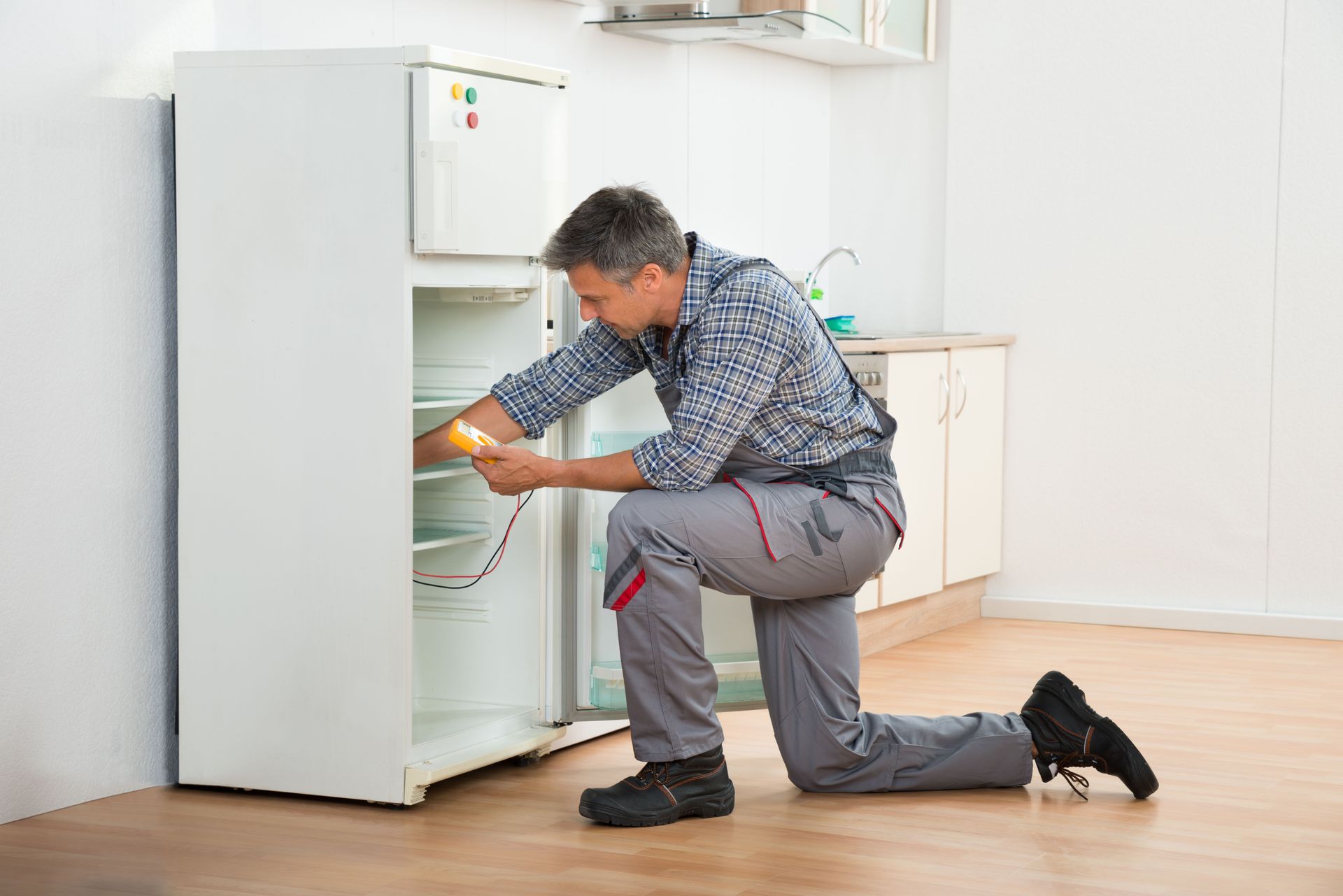
Electrical components are the backbone of your HVAC system’s operation. From wiring to capacitors, each part plays a role in keeping everything running smoothly. When something goes wrong, the impact can be immediate, ranging from system shutdowns to inconsistent performance.
Signs of electrical issues often include flickering operation, unusual noises, or frequent breaker trips. These are early warnings that shouldn’t be ignored. Through routine HVAC maintenance, technicians can identify worn connections, loose wiring, or failing components before they lead to larger failures.
Stability is key when it comes to HVAC performance. A well-maintained electrical system ensures consistent operation, reduces the risk of unexpected breakdowns, and helps extend the lifespan of the entire unit. Addressing these issues early is far more cost-effective than dealing with emergency repairs later.
Protecting Compressors from Failure and Overuse
The compressor is one of the most critical and expensive parts of your HVAC system. It’s responsible for circulating refrigerant and enabling the cooling process. When it starts to fail, the entire system’s performance is compromised, often requiring significant repairs or replacement.
Common causes of compressor issues include overheating, refrigerant imbalances, and restricted airflow. These problems rarely happen in isolation—they’re usually the result of other neglected maintenance tasks. Regular HVAC maintenance helps identify and resolve these contributing factors before they impact the compressor.
You might notice warning signs like reduced cooling, loud noises, or longer run times. Catching these early can make a significant difference in repair costs. With consistent care, you not only protect the compressor but also improve overall system efficiency and reliability.
Extending System Lifespan and Reducing Replacement Costs
One of the most overlooked benefits of regular maintenance is its impact on system longevity. HVAC systems are a major investment, and replacing them prematurely can be a significant financial burden. Taking a proactive approach helps you get the most value out of your system over time.
Research supports this approach. According to Home Guide, properly maintained HVAC systems can last anywhere from 15 to 25 years, which underscores how much of a difference consistent care can make. Without regular attention, that lifespan can be cut short due to avoidable wear and tear.
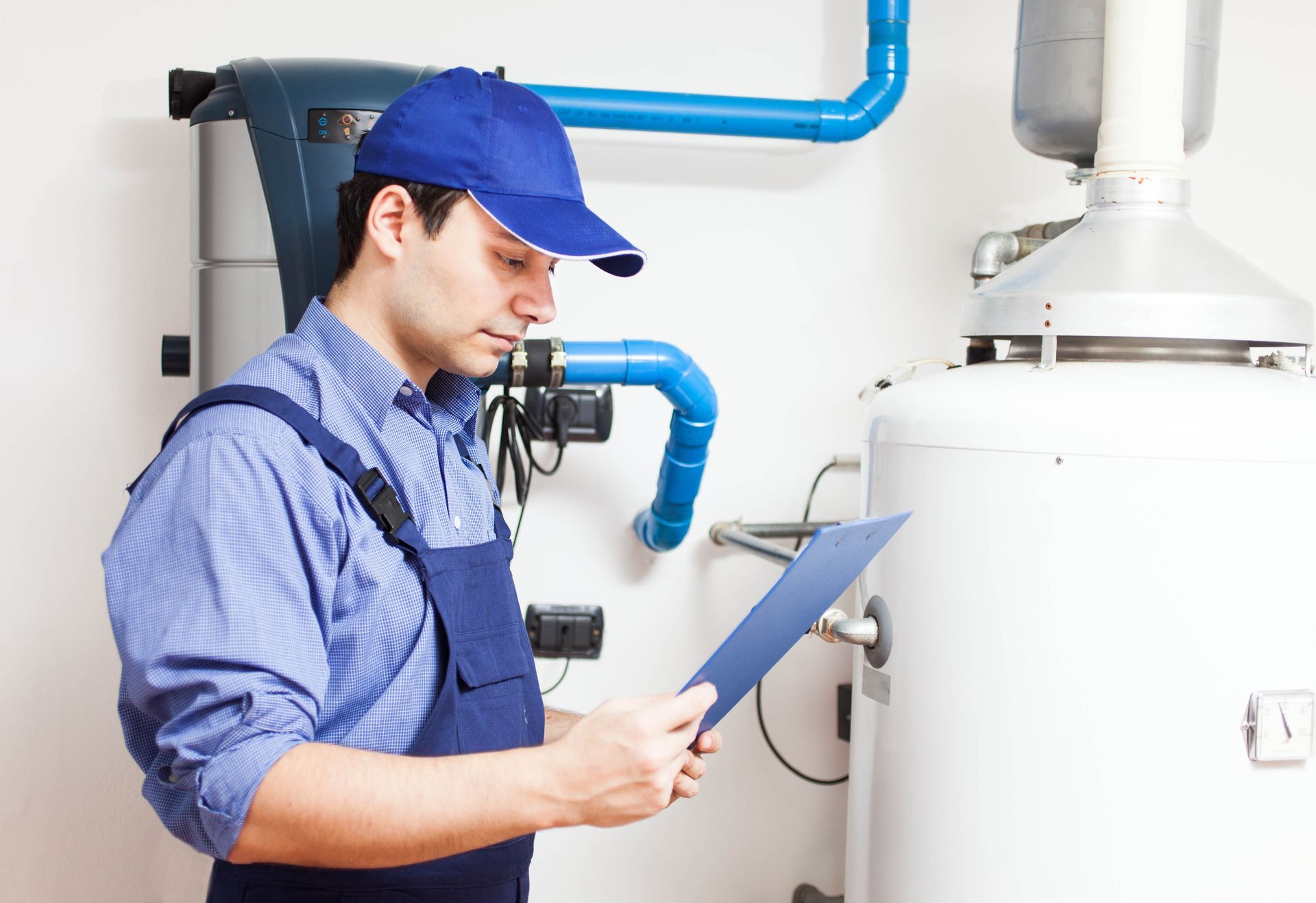
Routine HVAC maintenance allows technicians to catch small issues early, optimize performance, and ensure all components are working together efficiently. This not only delays the need for replacement but also keeps your system running at peak performance throughout its life.
HVAC problems rarely appear without warning. In most cases, they develop gradually, giving you the opportunity to step in before they become costly. From clogged filters and refrigerant leaks to electrical issues and compressor strain, each of these challenges can be managed with a consistent maintenance plan.
Taking a proactive approach keeps your system efficient, reliable, and better equipped to handle seasonal demands. It also helps you avoid unexpected disruptions that can affect both comfort and budget. When you prioritize HVAC maintenance, you’re making a practical decision that pays off over time. If you want to stay ahead of costly repairs and keep your system running smoothly year-round, schedule your next service with New England Heating & Air Conditioning.

Share On: